That can make the search feel confusing.
Terms like senior living, assisted living, independent living, memory care, residential assisted living, nursing home, and home care are sometimes used together, but they do not all mean the same thing. Choosing the right option starts with understanding what each type of care is meant to provide.
This guide explains common senior living in West Palm Beach, how they differ, and what families should consider when deciding which setting may be the best fit for a loved one.
What Does “Senior Living” Mean?
Senior living is a broad term used to describe housing, care, and lifestyle options for older adults. It can include independent living communities, assisted living facilities, memory care programs, skilled nursing facilities, smaller residential assisted living homes, and other supportive living arrangements.
Some senior living options focus mainly on convenience, social activities, and maintenance-free living. Others focus more heavily on daily personal care, supervision, safety, and support.
Because the term is broad, families should not assume that every senior living community provides the same services. It is important to ask what level of care is actually available, what is included in the monthly cost, and what happens if a resident’s needs change over time.
Common Senior Living Options in West Palm Beach
Families searching for senior living in West Palm Beach may come across several different options. Each one serves a different type of resident.
Independent Living
Independent living is generally designed for older adults who are mostly self-sufficient but want a more convenient lifestyle. These communities may offer private apartments or villas, dining options, housekeeping, maintenance, transportation, activities, and social opportunities.
Independent living may be a good fit for seniors who:
- Can manage most daily activities on their own
- Want less responsibility for home maintenance
- Enjoy social events and community living
- Do not need regular personal care assistance
- Want access to amenities and a senior-friendly environment
Independent living is usually not the right fit for someone who needs hands-on help with bathing, dressing, toileting, medication assistance, or frequent supervision.
Assisted Living
Assisted living is designed for seniors who need help with daily activities but do not require the level of medical care provided in a skilled nursing facility.
Depending on the facility and the resident’s care plan, assisted living may include support with:
- Bathing
- Dressing
- Grooming
- Meals
- Medication reminders or assistance
- Mobility
- Housekeeping
- Laundry
- Social engagement
- Safety monitoring
- Coordination with family members or outside healthcare providers
For many families, assisted living provides a balance between independence and support. The resident can still enjoy privacy and dignity, while having help available with daily needs. If you are comparing facility formats, read our detailed guide on choosing assisted living facilities in West Palm Beach.
Residential Assisted Living Homes
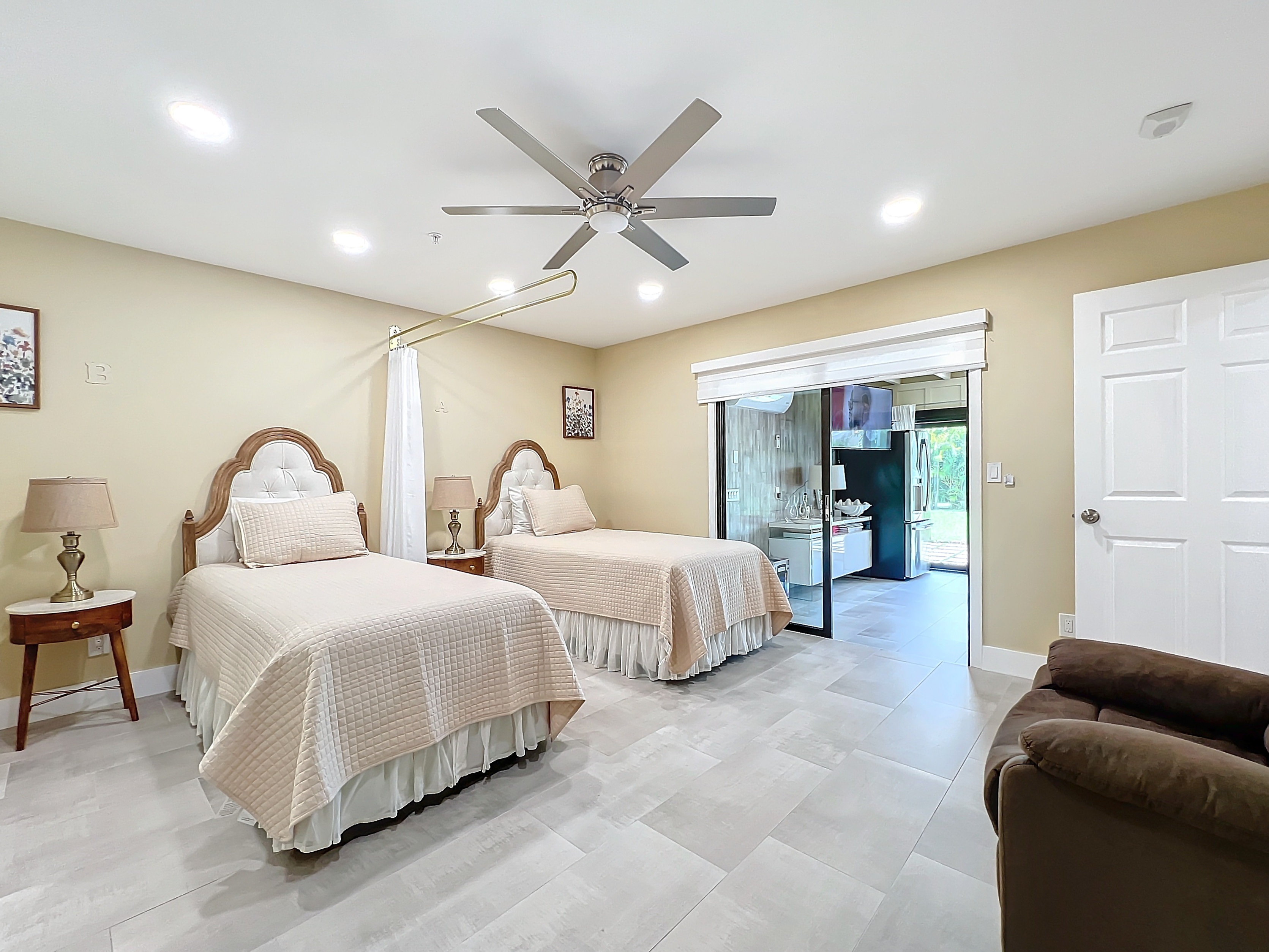
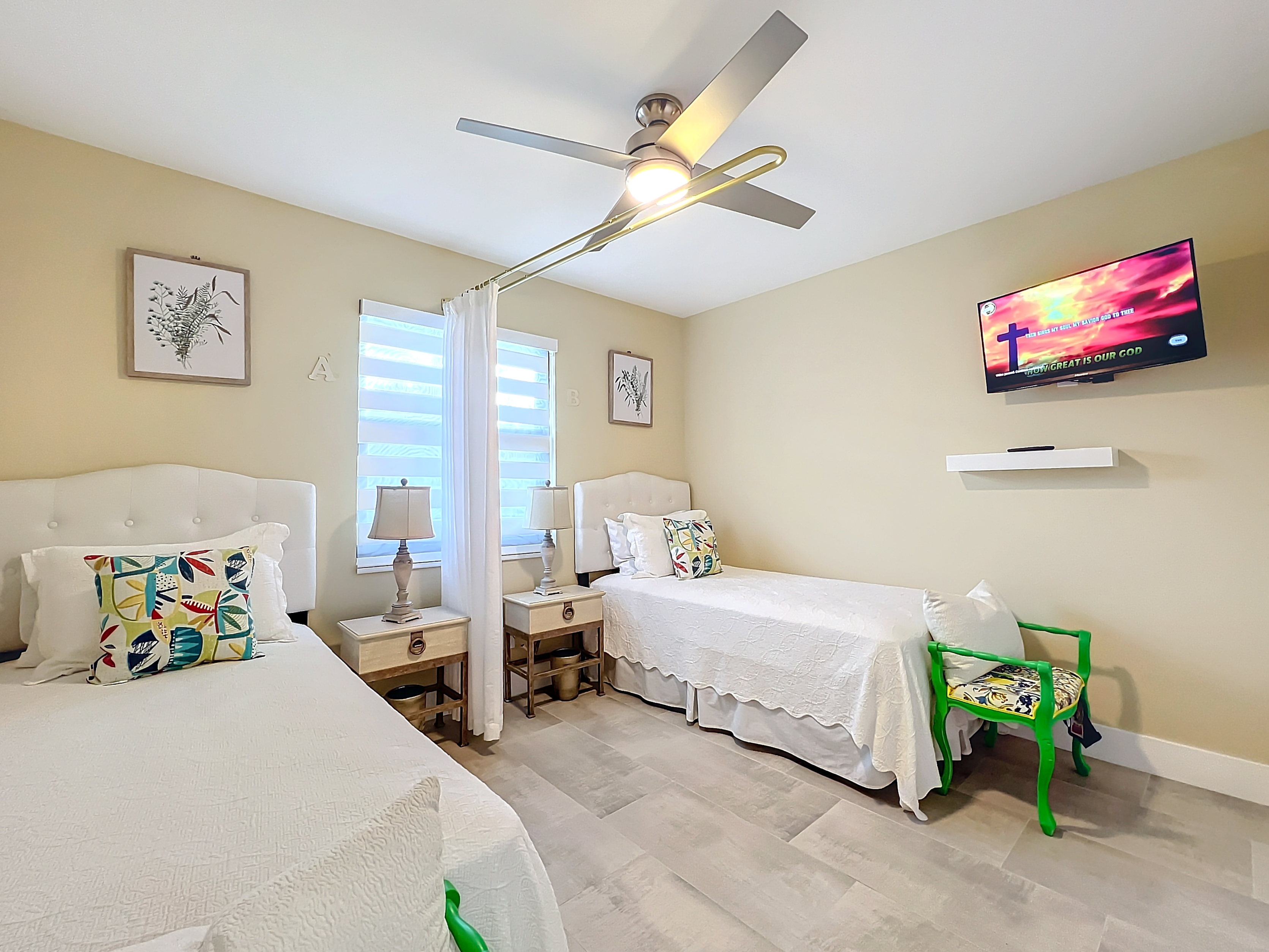
Residential assisted living homes are smaller assisted living settings that often operate in a more home-like environment. Instead of a large campus or apartment-style community, the setting may feel more like a private residence with fewer residents and a quieter daily rhythm.
A smaller residential assisted living home may appeal to families who want:
- A calm, home-like atmosphere
- A smaller resident group
- More familiar daily routines
- Less walking and fewer large common areas
- A more personal environment
- A quieter alternative to a large senior living community
This type of setting can be a good fit for seniors who may feel overwhelmed by larger communities or who prefer a more intimate environment where they can receive personalized assisted living care.
However, families should still ask careful questions about licensing, staffing, services, safety, and whether the facility can meet their loved one’s specific needs.
Memory Care
Memory care is designed for seniors living with Alzheimer’s disease, dementia, or other memory-related conditions. Some assisted living communities have dedicated memory care areas, while other facilities may offer memory-related support depending on their licensing, staffing, and care model.
Families considering memory care should ask:
- What type of memory support is provided?
- Is the environment secure?
- How does the staff handle wandering, confusion, or agitation?
- Are routines structured and predictable?
- How are families updated about changes?
- What training does staff have for dementia care?
- What happens if the resident’s needs increase?
Not every assisted living facility is appropriate for every memory care situation. Families should be honest about symptoms, behaviors, supervision needs, and safety concerns.
Skilled Nursing Facilities
Skilled nursing facilities, sometimes called nursing homes, provide a higher level of medical and nursing care than assisted living. They may serve people who need rehabilitation after hospitalization, ongoing skilled nursing care, wound care, more complex medical support, or a higher level of supervision.
A skilled nursing facility may be needed when a person’s care needs are beyond what an assisted living facility can safely provide.
Families should speak with healthcare professionals when trying to determine whether assisted living or skilled nursing is the more appropriate level of care.
Home Care
Home care allows seniors to receive support in their own home. Depending on the provider and the family’s needs, home care may include companionship, meal preparation, light housekeeping, transportation, personal care, or other non-medical support.
Home care may work well when a senior wants to remain at home and only needs part-time assistance. However, if a senior needs consistent supervision, help throughout the day and night, social engagement, meals, and a safer daily environment, assisted living may become a better long-term option.
How to Know Which Senior Living Option Is Right
Choosing between senior living options depends on the person’s physical needs, cognitive needs, personality, budget, location preferences, and family support system.
Families should consider:
- Can the person safely live alone?
- Are medications being taken correctly?
- Has the person fallen recently?
- Is the person eating well?
- Is hygiene being maintained?
- Is the person isolated or lonely?
- Are family caregivers becoming overwhelmed?
- Does the person need supervision at night?
- Are memory changes creating safety concerns?
- Would the person do better in a social setting?
- Would a smaller home-like environment feel more comfortable?
The right choice is not always the largest community, the most expensive option, or the closest location. The right choice is the setting that safely matches the resident’s needs and helps them live with dignity and comfort.
Why Location Matters in West Palm Beach
Location is an important part of choosing senior living in West Palm Beach. Even if a facility seems like a good fit, families should think about how easy it will be to visit regularly and stay involved.
Consider:
- Distance from family members
- Drive time during traffic
- Proximity to doctors and specialists
- Nearby hospitals
- Accessibility for visitors
- Whether the surrounding area feels comfortable
- Whether the location supports continuity of care
A convenient location can make family visits easier and help loved ones stay emotionally connected after the move.
What Families Should Ask Before Choosing a Senior Living Setting
Before choosing a senior living community or assisted living facility, families should ask direct questions about care, cost, communication, safety, and long-term fit.
Questions Families Should Ask Before Choosing a Setting
Use this list of questions when interviewing senior living and care options in the West Palm Beach area.
- What type of senior living or care setting is this?
- What services are included?
- What services cost extra?
- What level of care can you provide?
- What type of resident is the best fit here?
- What type of resident may not be a good fit?
- How are medications handled?
- How do you communicate with families?
- What happens after a fall or medical concern?
- How do you handle changes in care needs?
- What are the visiting policies?
- How do meals and daily routines work?
- Is the facility licensed, and how can families verify that?
Good providers should answer these questions clearly and patiently. If a facility avoids direct answers, pressures the family, or cannot explain its care model, that may be a warning sign.
The Appeal of Smaller, Home-Like Senior Living
Some families in West Palm Beach prefer smaller assisted living homes because they want a quieter and more personal environment for their loved one.
A smaller home-like care setting may offer:
- A calmer atmosphere
- A familiar residential feel
- More personal routines
- Less crowding
- Easier navigation for residents
- A closer sense of community
- A more peaceful daily environment
This type of setting can be especially appealing when a senior does not want a large campus-style community or becomes anxious in busy environments.
However, families should still compare each facility carefully. A smaller setting should still be clean, licensed, safe, well-managed, and appropriate for the resident’s needs.
Red Flags to Watch For
When touring senior living options, families should trust both the facts and their instincts.
Be cautious if you notice:
- Unclear pricing
- Poor communication
- Staff who seem rushed or dismissive
- Residents who appear neglected
- Strong pressure to sign quickly
- Lack of transparency about licensing
- Dirty or unsafe areas
- Confusing explanations about services
- No clear process for emergencies
- No clear process for family updates
- A mismatch between the marketing and what you see in person
Families should never feel rushed into such an important decision. In Florida, you can verify facility licensing and inspection reports online through official resources such as the Florida Health Finder search tool run by the Agency for Health Care Administration (AHCA).
Final Thoughts: Finding Senior Living in West Palm Beach
Searching for senior living in West Palm Beach can feel overwhelming at first, but the process becomes easier when families understand the different care options available.
Independent living may work well for active seniors who want convenience and community. Assisted living may be better for someone who needs help with daily activities. Memory care may be needed when dementia-related safety concerns are present. Skilled nursing may be appropriate for more complex medical needs. Smaller residential assisted living homes may offer a calmer, more personal setting for seniors who prefer a home-like environment.
The best senior living choice is the one that matches your loved one’s needs, personality, safety, comfort, and dignity.
As you compare options in West Palm Beach and nearby Palm Beach County communities, ask questions, tour carefully, pay attention to how residents are treated, and choose a setting where your family feels informed and your loved one feels truly cared for.