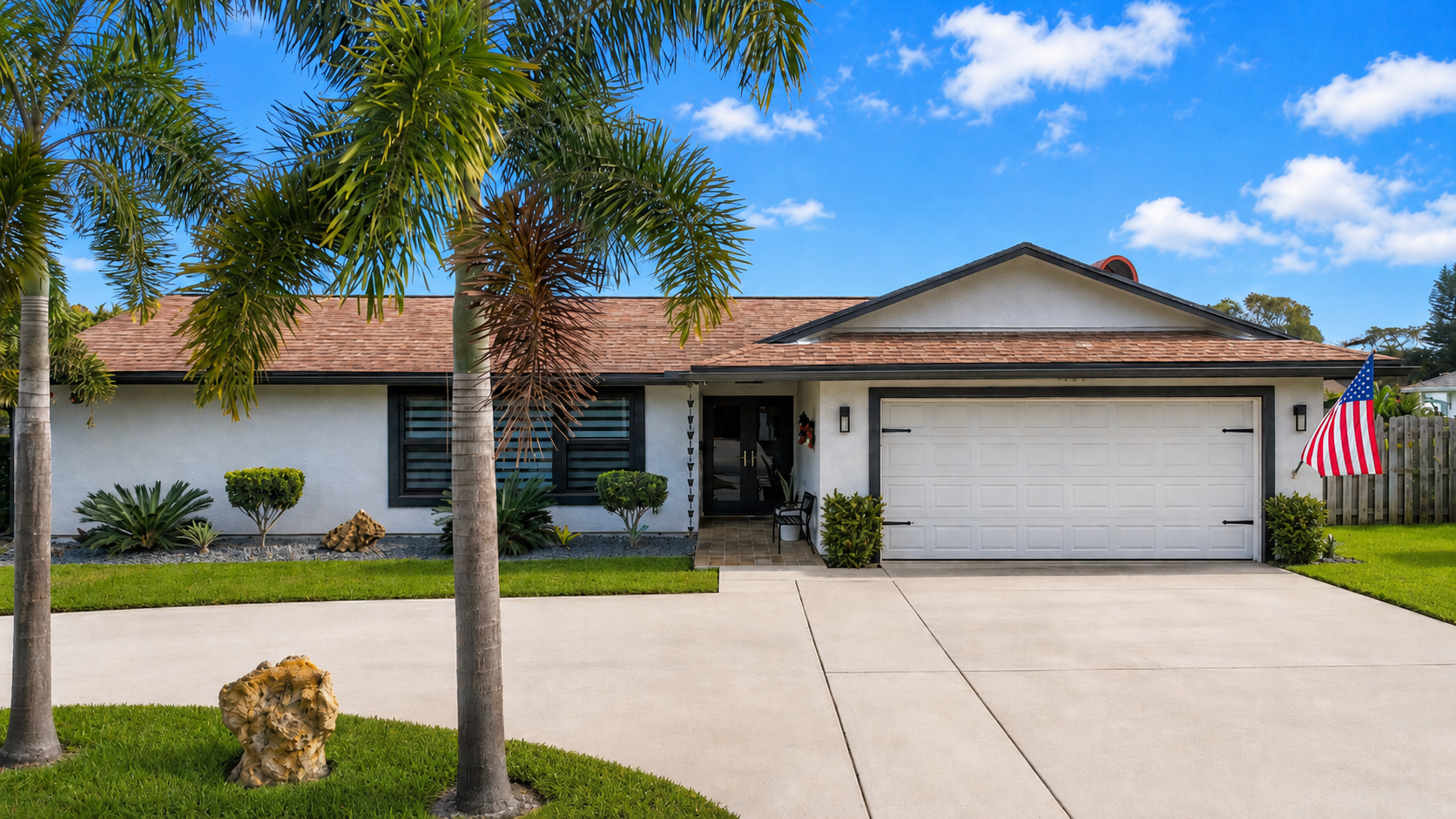
For many families, the search begins with a simple question: which assisted living facility in West Palm Beach is the best fit for our loved one’s needs?
The answer depends on several factors, including the level of care needed, the size of the facility, the home environment, staff communication, location, licensing, daily routines, and how comfortable your loved one feels when visiting. Some families prefer larger communities with many amenities. Others prefer a smaller, more home-like assisted living setting where residents may receive personalized assisted living care.
This guide will walk you through what to look for when comparing assisted living facilities in West Palm Beach and how to make a more confident decision.
What Is an Assisted Living Facility?
An assisted living facility, often called an ALF, is a residential care setting designed for older adults who may need help with daily activities but do not require the level of medical care provided in a nursing home.
Depending on the facility and the resident’s needs, assisted living may include help with:
- Bathing and personal hygiene
- Dressing and grooming
- Medication reminders or assistance
- Meals and snacks
- Mobility support
- Housekeeping and laundry
- Social activities
- Supervision and safety monitoring
- Coordination with family members and healthcare providers
Assisted living is often a good option for seniors who want to maintain as much independence as possible while still having support nearby.
Why Families Search for Assisted Living in West Palm Beach
West Palm Beach and the surrounding Palm Beach County area are home to many seniors, retirees, and families looking for quality care options close to home. Families often begin searching for assisted living when they notice that a loved one is having difficulty safely managing daily life alone.
Some common signs that it may be time to consider assisted living include:
- Missed medications
- Frequent falls or mobility concerns
- Poor nutrition or weight loss
- Isolation or loneliness
- Difficulty bathing, dressing, or keeping up with hygiene
- Memory changes or confusion
- Family caregiver burnout
- Safety concerns at home
- Trouble keeping the home clean or organized
The goal of assisted living is not to take away independence. The goal is to provide the right level of support so the resident can live with dignity, structure, and comfort.
Large Assisted Living Communities vs. Smaller Residential ALFs
When comparing assisted living facilities in West Palm Beach, families usually find two broad types of care settings: larger assisted living communities and smaller residential assisted living homes.
Larger communities may offer more amenities, more residents, larger activity calendars, dining rooms, transportation, and a more traditional senior living campus feel. These can be a good fit for seniors who are social, active, and comfortable in a larger environment.
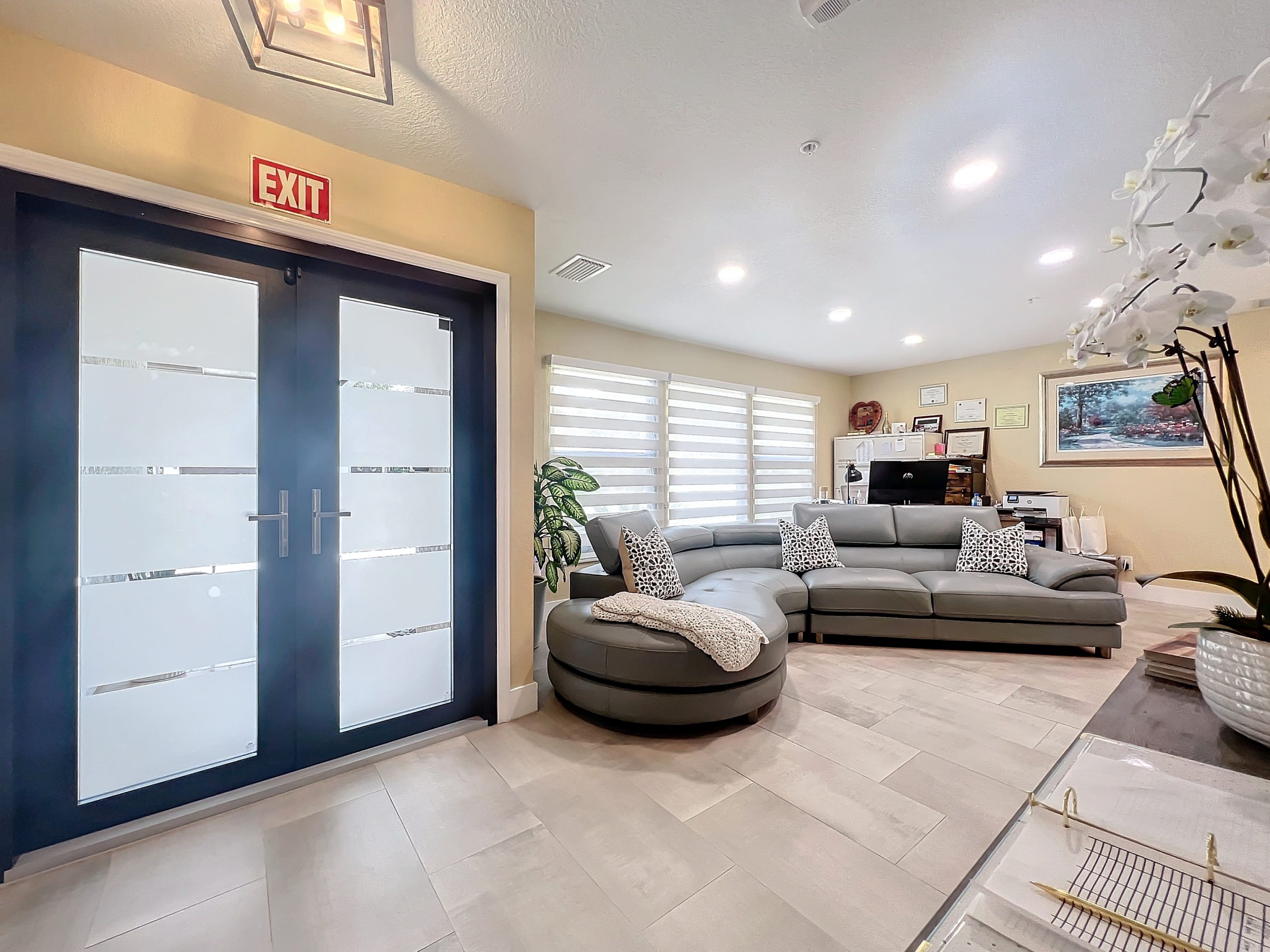
Smaller residential assisted living facilities often feel more like a private home. They may have fewer residents, a quieter atmosphere, and a more personal daily rhythm. For some families, a smaller home-like setting can feel warmer and less overwhelming, especially when their loved one prefers calm surroundings or closer personal attention.
Neither option is automatically better. The best choice depends on the resident’s personality, care needs, preferences, and how the facility operates day to day.
What to Look for When Comparing Assisted Living Facilities in West Palm Beach
A beautiful building or polished brochure does not always tell the full story. Families should look beyond the surface and ask practical questions about care, safety, communication, and daily life.
1. Licensing and Compliance
In Florida, assisted living facilities are regulated through the Florida Agency for Health Care Administration. Families can use Florida’s official facility search tools on Florida Health Finder to look up licensed facilities and review available provider information.
Before choosing a facility, ask:
- Is the facility currently licensed?
- What type of license does it have?
- Are there any special licenses or limitations families should understand?
- Has the facility had recent complaints, deficiencies, or enforcement actions?
- Is the facility transparent when asked about licensing and inspections?
A trustworthy facility should be comfortable discussing licensing, care capabilities, and what types of residents it can safely serve.
2. Level of Care
Not every assisted living facility provides the same level of support. Some residents only need light assistance, while others may need more hands-on help throughout the day.
Ask whether the facility can support your loved one with:
- Bathing
- Dressing
- Toileting
- Mobility
- Medication assistance
- Meal reminders
- Fall prevention
- Cognitive changes
- Nighttime supervision
- Coordination with outside healthcare providers
It is important to be honest about your loved one’s needs. A facility that is a poor care match can create stress for everyone involved.
3. Staff Communication
Good communication can make a huge difference for families. When your loved one moves into assisted living, you want to know that the staff will keep you informed if something changes.
Ask:
- How often does the facility communicate with families?
- Who should the family contact with questions?
- How are changes in condition reported?
- What happens if the resident has a fall or health concern?
- Does the facility provide updates proactively?
A facility’s communication style during the tour or first phone call can tell you a lot about how they may communicate after move-in.
4. Cleanliness and Comfort
When touring an assisted living facility, pay attention to how the environment feels. It does not need to look like a luxury hotel, but it should feel clean, safe, calm, and well cared for.
Look for:
- Clean common areas
- Fresh-smelling rooms
- Safe walkways
- Comfortable seating
- Good lighting
- Organized spaces
- Secure entrances and exits
- A peaceful overall atmosphere
Also notice how residents appear. Do they seem comfortable? Are they dressed appropriately? Are staff members interacting with them respectfully?
5. Meals and Daily Routine
Food matters. Daily structure matters. Many seniors do better when they have predictable meals, consistent routines, and gentle activity throughout the day.
Ask:
- How many meals are provided each day?
- Are snacks available?
- Can the facility accommodate dietary needs?
- Are meals prepared fresh?
- What does a typical day look like?
- Are there activities, music, conversation, outdoor time, or other engagement opportunities?
For some seniors, a calm daily routine is more important than a long list of activities. For others, social opportunities are a major part of quality of life.
6. Safety and Fall Prevention
Falls are a major concern for many families. While no facility can eliminate all risk, a good assisted living facility should have thoughtful safety practices.
Ask about:
- Fall prevention
- Bathroom safety
- Nighttime monitoring
- Emergency response procedures
- Medication assistance
- Supervision levels
- Staff availability
- How the facility handles changes in mobility
Look for practical safety features such as grab bars, clear walkways, good lighting, and staff awareness.
7. Resident Dignity and Respect
One of the most important things to observe is how staff members speak to residents. Care should be provided with patience, kindness, and respect.
During a visit, watch for:
- Warm greetings
- Gentle tone of voice
- Staff listening to residents
- Residents being treated like adults
- Privacy during personal care
- Respect for preferences and routines
A facility can have beautiful furniture and still feel cold. The real test is how people are treated.
Questions to Ask During an Assisted Living Tour
Before touring assisted living facilities in West Palm Beach, it helps to bring a list of questions. Families are often emotional during tours, and it is easy to forget important details.
- How many residents live here?
- What is the staff-to-resident ratio?
- What services are included in the monthly cost?
- Are there additional charges for higher levels of care?
- How are medications handled?
- What happens if my loved one’s care needs increase?
- Are residents allowed to bring personal furniture or decorations?
- How are meals planned?
- Are visitors allowed?
- How do you communicate with families?
- What makes this facility different from others in the area?
- What type of resident is the best fit here?
- What type of resident may not be a good fit?
The last two questions are especially important. A responsible facility should be honest about who they can and cannot safely care for.
Red Flags Families Should Watch For
Most families want to focus on the positives, but it is also important to notice warning signs.
Be cautious if you see:
- Unanswered questions about licensing
- Strong pressure to move in immediately
- Poor communication
- Unclear pricing
- Dirty or unsafe areas
- Residents who appear neglected
- Staff who seem rushed, dismissive, or irritated
- Unpleasant odors that seem ongoing
- Lack of transparency about care limitations
- No clear process for emergencies or family updates
Trust your instincts. If something feels off, ask more questions or continue looking.
How Location Matters in West Palm Beach
Location is another important factor when choosing assisted living. A facility may look wonderful, but if it is too far from family, visits may become harder over time.
When comparing West Palm Beach assisted living options, consider:
- Distance from family members
- Proximity to doctors or specialists
- Nearby hospitals
- Traffic patterns
- Ease of visiting
- Whether the neighborhood feels comfortable and accessible
Frequent family visits can help residents feel connected and help families stay involved in care.
Why Smaller Assisted Living Homes Appeal to Some Families
Some families specifically look for smaller assisted living facilities because they want a more personal, home-like environment. A smaller ALF may be especially appealing when a loved one feels overwhelmed by large buildings, big dining rooms, or busy common areas.
Possible benefits of a smaller setting may include:
- A quieter environment
- A more familiar home-like routine
- More personal interaction
- Easier adjustment for some residents
- A warmer family-style atmosphere
- Less walking from room to room
- A more intimate care setting
This does not mean every small facility is better, and it does not mean every large facility is impersonal. The key is fit. Families should compare the environment, the staff, the care model, and how their loved one responds during the visit.
Preparing Your Loved One for the Transition
Moving into assisted living can be emotional. Even when care is needed, the transition may bring fear, sadness, or resistance.
Families can help by:
- Including the loved one in the decision when possible
- Visiting facilities together
- Bringing familiar furniture, photos, blankets, or keepsakes
- Talking about safety and support, not “giving up independence”
- Keeping the move-in process calm and organized
- Visiting consistently after move-in
- Giving the resident time to adjust
The first few weeks are often the hardest. A supportive facility should help the resident settle into a routine and feel welcome.
Final Thoughts: Choosing the Right Assisted Living Facility in West Palm Beach
Finding the right assisted living in West Palm Beach is not just about choosing the nicest building or the closest location. It is about finding the right match for your loved one’s care needs, personality, safety, comfort, and dignity.
As you compare options, look for a facility that communicates clearly, treats residents with respect, maintains a clean and safe environment, understands your loved one’s needs, and helps your family feel confident about the decision.
The best assisted living choice is the one where your loved one feels cared for, your family feels informed, and everyone has a clear understanding of what support will be provided.
If you are exploring assisted living in West Palm Beach or nearby Palm Beach County communities, take your time, ask questions, tour carefully, and choose a setting that feels both safe and personal.